
Snow and Ice Semi-Truck Crashes in Montana: How Federal “Extreme Caution” Rules Apply to Liability
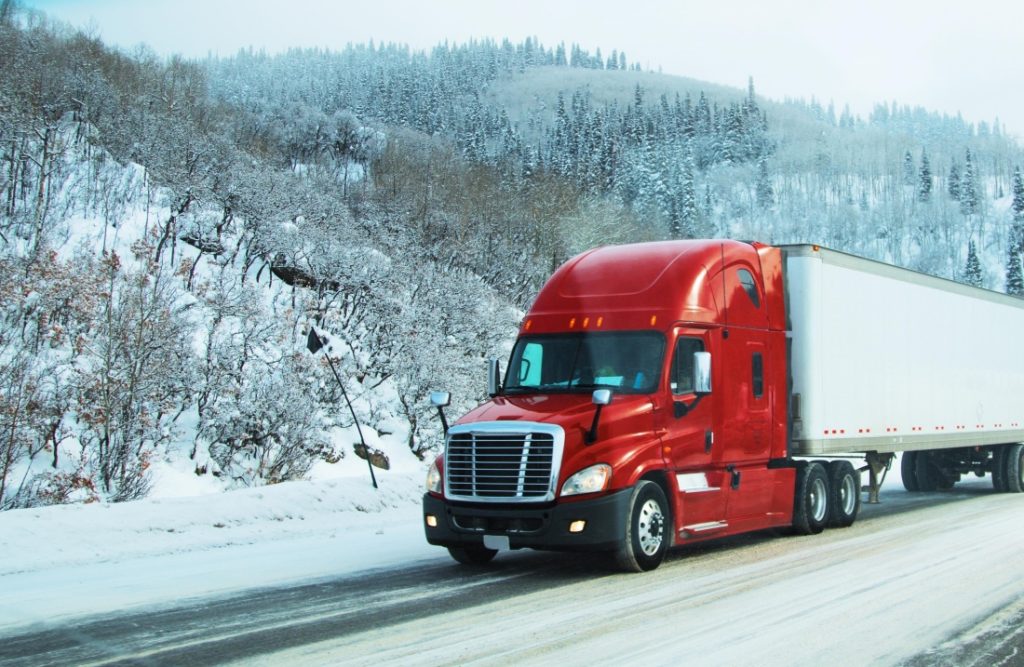 When a semi-truck crashes into your vehicle on an icy Montana highway, the trucking company will often claim the weather was to blame. But federal law says otherwise.
Under Federal Motor Carrier Safety Regulations, truck drivers must exercise “extreme caution” in hazardous conditions and reduce speed accordingly. If a trucker was going too fast for conditions when they hit you, the weather doesn’t excuse their negligence. It proves it.
Montana winters are brutal, and commercial trucks don’t get a free pass just because the roads are slick. If you’ve been injured in a winter semi-truck crash, understanding how federal safety rules apply to your case can make the difference between a lowball settlement offer and full compensation for your injuries.
If you or a loved one has been injured in a semi-truck crash on Montana’s winter roads, contact Doubek, Pyfer & Storrar, PLLP at 406-442-7830 for a free consultation. Our Montana trucking accident attorneys know how to hold trucking companies accountable under federal law.
What Federal Law Requires of Truck Drivers in Winter Weather
The Federal Motor Carrier Safety Administration (FMCSA) sets strict rules that every commercial truck driver must follow. These regulations exist specifically because large trucks pose such a serious danger when things go wrong.
Section 392.14 of the Federal Motor Carrier Safety Regulations states that drivers must operate their vehicles with “extreme caution” when hazardous conditions exist. This includes snow, ice, sleet, and fog. The regulation goes further, requiring drivers to reduce speed and stop driving entirely if conditions become too dangerous to proceed safely.
This is federal law. When a truck driver continues at highway speeds on black ice or during a snowstorm, they’re violating their duty to drive safely in order to prevent mayhem on our roadways. Montana is prone to harsh winter driving, and dangerous truck companies that fail to properly train their drivers to drive safely during the winter months can result in devastating consequences for the motoring public on our roads.
Why “I Couldn’t Stop” Isn’t a Valid Defense
After a winter crash, trucking companies and their insurers will argue that icy roads made the collision unavoidable. This defense falls apart under federal regulations.
It’s simple. If road conditions were so bad that a truck couldn’t stop safely, the driver should not have been traveling at that speed in the first place.
Federal regulations require truck drivers to adjust their speed based on current conditions, not just posted limits. A driver going 65 mph on an interstate where ice has formed is negligent, even if that’s the speed limit. The “extreme caution” standard means truckers must account for:
- Reduced traction on snow-covered or icy pavement
- Longer stopping distances for vehicles weighing up to 80,000 pounds
- Decreased visibility during snowstorms
- The increased risk of jackknifing when braking on slick surfaces
Data doesn’t lie. When investigators examine the crash scene, black box data, GPS data or even the driver dash camera provides a real look at the whole story. These details frequently show the driver was going far too fast for conditions.
Montana’s Unique Winter Driving Challenges
Commercial truck drivers who regularly haul freight through Montana, you know how challenging winter driving can be. Interstate 15 between Helena and Great Falls, Interstate 90 through the mountain passes, and Highway 93 all become extremely dangerous during winter storms. Wind can create whiteout conditions in minutes, and black ice forms without warning, especially on bridges and overpasses.
Many seasoned truck drivers make the necessary adjustments to drive carefully in these conditions. But some do not. Other truckers, feel pressure to meet delivery schedules, leading them to push through conditions they should never attempt.
The Montana Department of Transportation often issues road warnings and travel alerts during severe winter weather. When a truck driver ignores these warnings and causes a crash, it strengthens the case that they violated the “extreme caution” standard.
How Liability Gets Determined After a Winter Semi-Truck Crash
Proving liability in winter truck crashes requires thorough investigation and knowledge of federal trucking regulations. Several factors come into play:
Driver logs and electronic logging device (ELD) data show whether the trucker was fatigued or rushing to meet hours-of-service deadlines. Tired drivers make poor decisions about when to slow down or stop.
Event data recorders in modern semi-trucks capture speed, braking, and other crucial information in the moments before a crash. This data often contradicts driver statements about how fast they were going.
Weather reports and road condition documentation from the Montana Highway Patrol and DOT establish what conditions actually existed at the crash time and location. If conditions were hazardous enough to trigger federal extreme caution requirements, drivers who didn’t slow down are liable.
Trucking company safety records reveal patterns of pushing drivers to meet unrealistic schedules or failing to properly train them for winter driving. These companies can be held liable alongside their drivers.
Why You Need a Montana Truck Accident Attorney
Federal trucking regulations are dense and technical. Successfully proving a violation requires knowing where to look, what evidence to gather, and how to interpret complex data from truck black boxes and driver logs. Trucking companies employ teams of lawyers and investigators to shift blame away from their drivers. You need someone equally committed to protecting your interests.
A Montana attorney experienced in truck accident cases understands both federal regulations and state law. They know how to work with accident reconstruction experts, medical professionals, and economic analysts to document the full extent of your damages. They’re prepared to take your case to trial if the insurance company won’t offer fair compensation.
The trucking accident legal team at Doubek, Pyfer & Storrar, PLLP has fought for injured Montanans for years. If you’ve been hurt in a winter semi-truck crash, call 406-442-7830 or fill out our confidential contact form for a free case evaluation. We work on a contingency basis, meaning you pay nothing unless we win your case.
